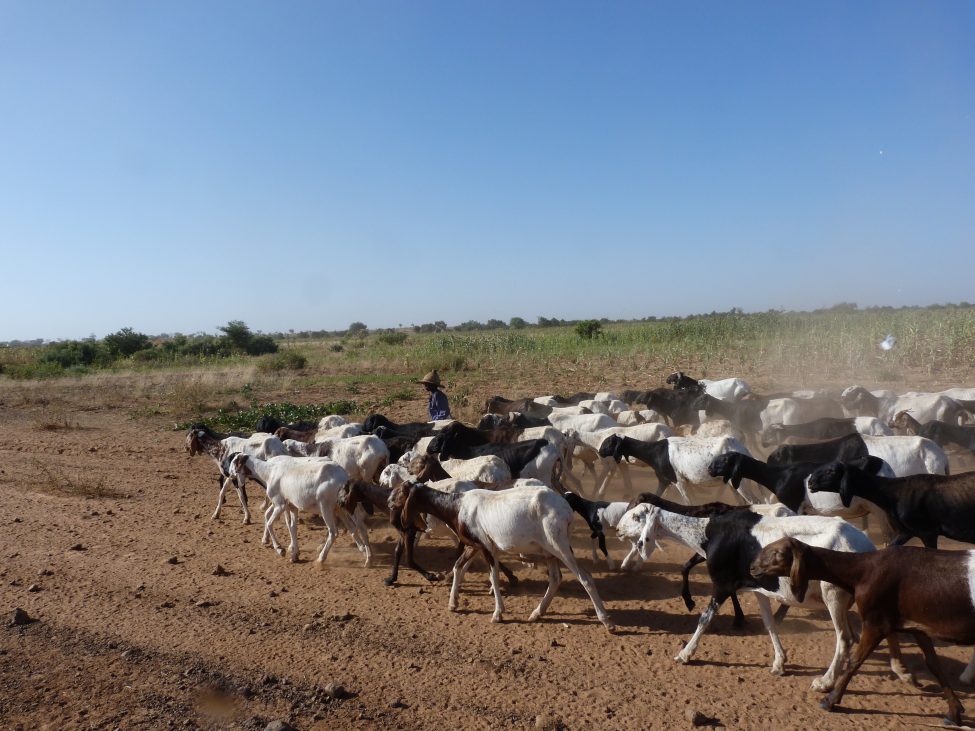
Pastoral communities in Niger’s Agadez region face growing climate and health challenges. Doctors of the World and Vétérinaires Sans Frontières Belgium are combining their expertise through the One Health approach to improve human, animal and environmental health.
Bringing veterinary care closer to pastoralists changes everything: looking back on 20 years of the Local Private Veterinary Services (LPVS) programme in Niger
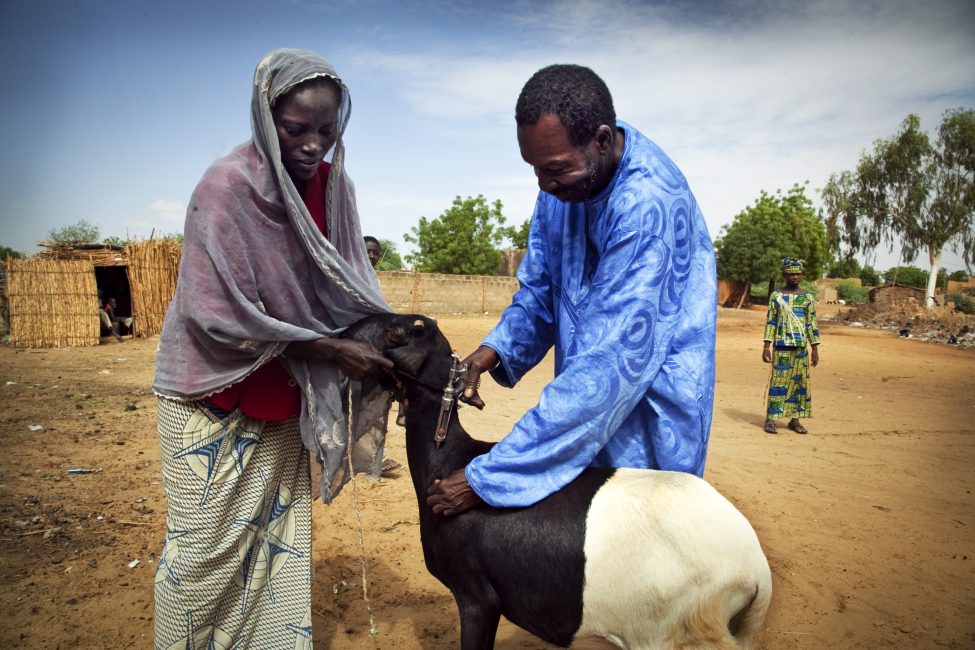
For twenty years, the Local Private Veterinary Services programme has brought reliable veterinary care closer to pastoral communities in Niger. Through private veterinarians and Community Animal Health Workers, the programme improves vaccination coverage, disease surveillance and food security, including in remote and insecure areas.
Humanitarian aid: our support for livestock keepers
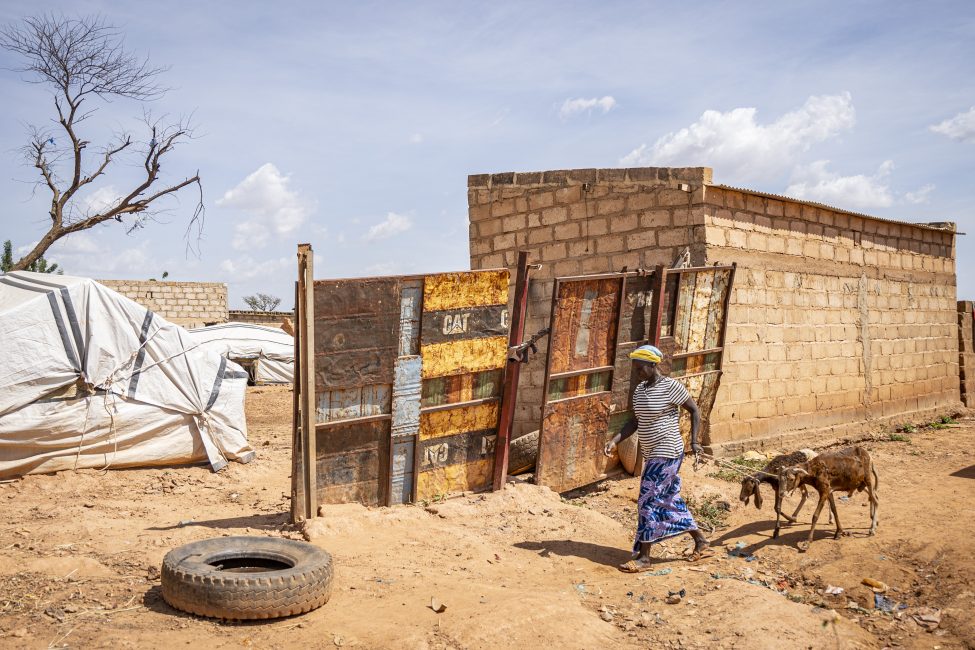
November 2023 marked the start of the second phase of our Humanitarian Protection Programme in Burkina Faso, Niger, the DR Congo and Uganda. Eighteen months later, we are seeing how our efforts have changed lives: families who can protect their animals, livestock keepers who stand stronger in the face of the challenges brought by climate change and communities who live together in peace. In this article, you will find out about what we have achieved with our partners.
A look back at 2024
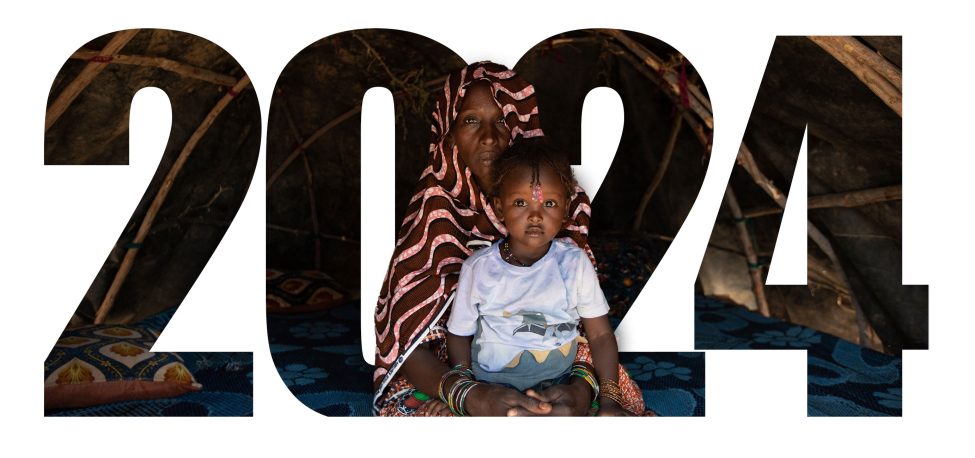
From vaccination campaigns in Niger to the launch of a new digital tool in rural Burundi, Vétérinaires Sans Frontières Belgium certainly kept itself busy in 2024. Join us for a look back at our achievements over the past year, with both international and local partners.
Livestock guarantees survival during lean seasons in the Sahel

In the countries of the Sahel, the population is facing increasingly severe consequences of the dry season, worsened by climate change. This is particularly apparent in Niger, where Vétérinaires Sans Frontières Belgium works. What are the implications of this period for the way of life of the populations we support, and how are they adapting to these difficult conditions?
Food distribution: a crucial boost for displaced families in Niger
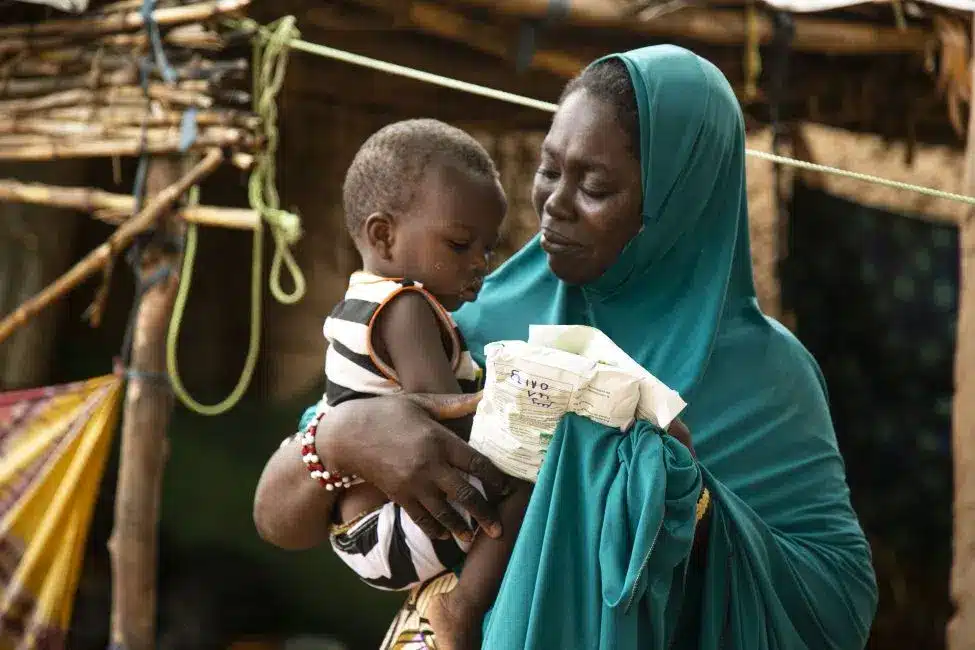
Between July and September 2022, our team in Niger organised three food distributions in the south-west of the country. More than 7,500 displaced people and their host families from agropastoral communities received food aid. Djibo Mazou Boubacar, who headed the operation, answered our questions a few months later, following a satisfaction survey.
Looking back at 2022
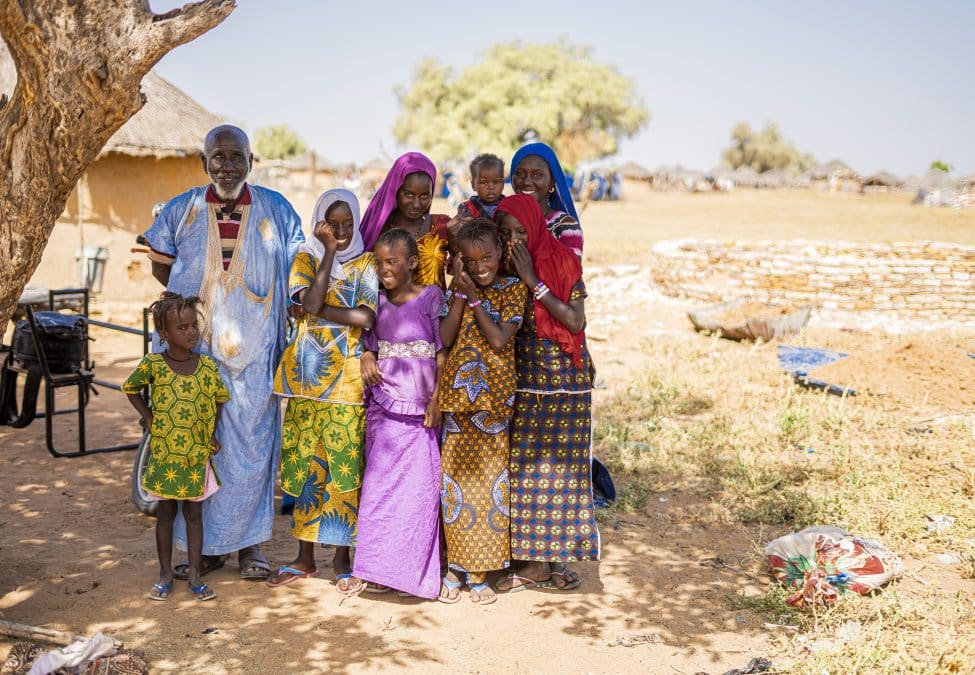
We are coming to the end of 2022, and it has been a rich year, both in the regions in Africa where we intervene and in Belgium. These images offer a reminder of some of the milestones of the past year.
The urgency of feeding displaced families in Niger
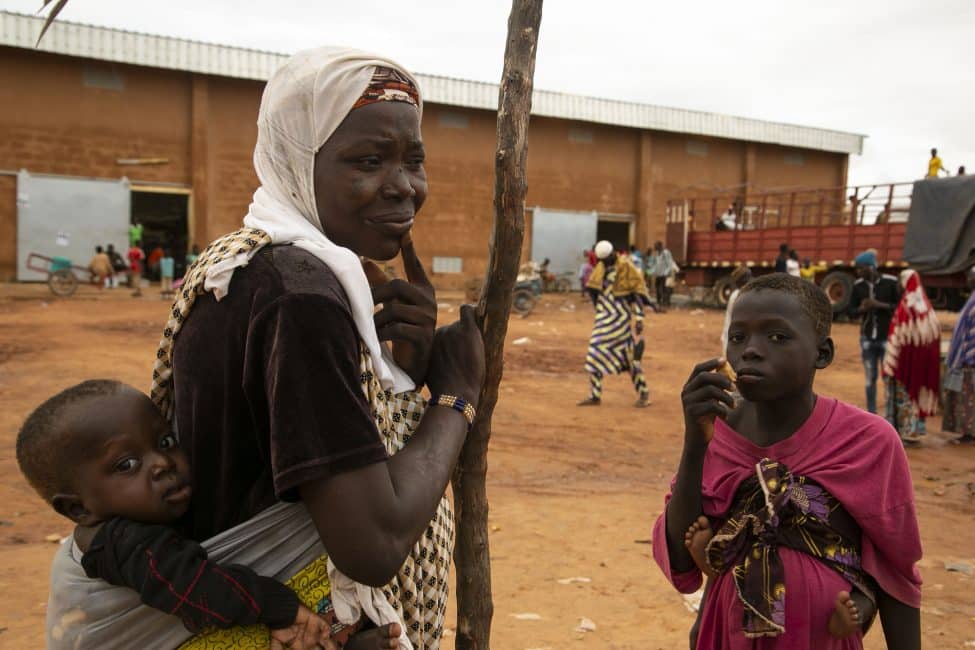
In south-western Niger, the population is being hit hard by soaring food prices. Uprooted by jihadist violence, entire families are currently going through a serious food crisis, against a backdrop of climate change and war in Ukraine. With the support of the European Union, we are distributing food packs to them.
A digitised information system to revolutionise transhumance in the Sahel
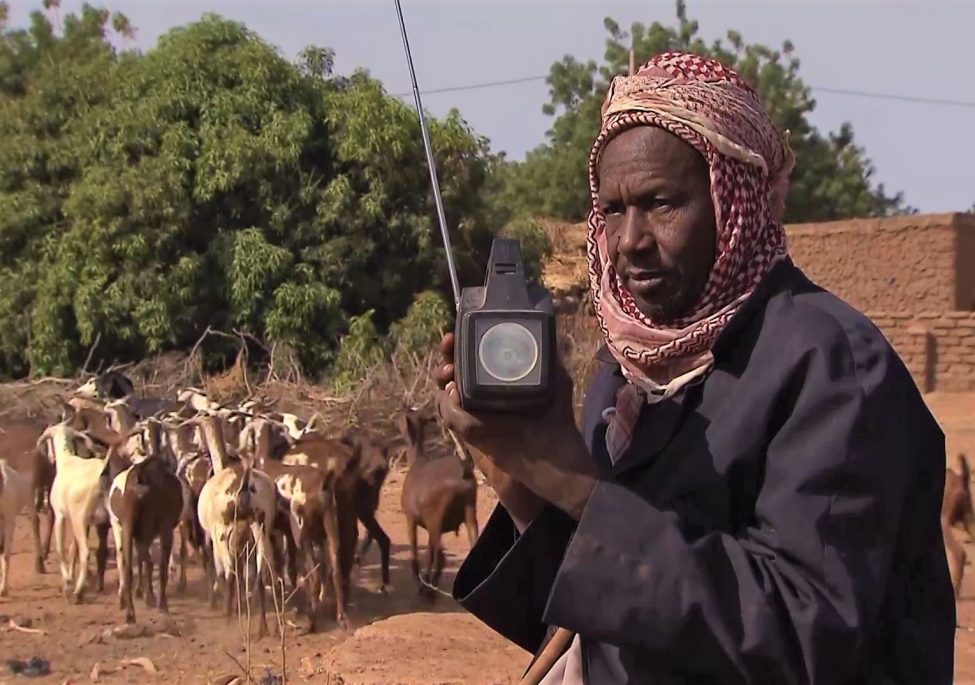
Faced with growing insecurity and a disrupted climate, livestock keepers in the Sahel often find themselves on the front lines. Thanks to our digitised information system, they have access to reliable and up-to-date information about security and pastures. That enables them to make the best decisions for the transhumance of their herds.
Transhumance information system
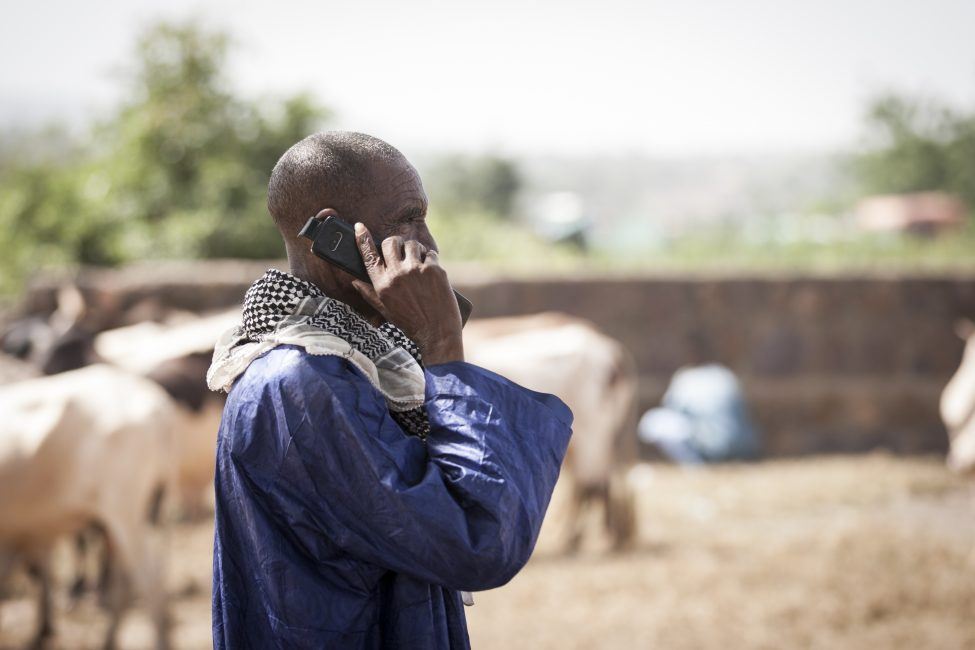
Discover the relevance and functioning of our digital information system for transhumant livestock keepers in the Sahel.
- Page 1 of 2
- 1
- 2