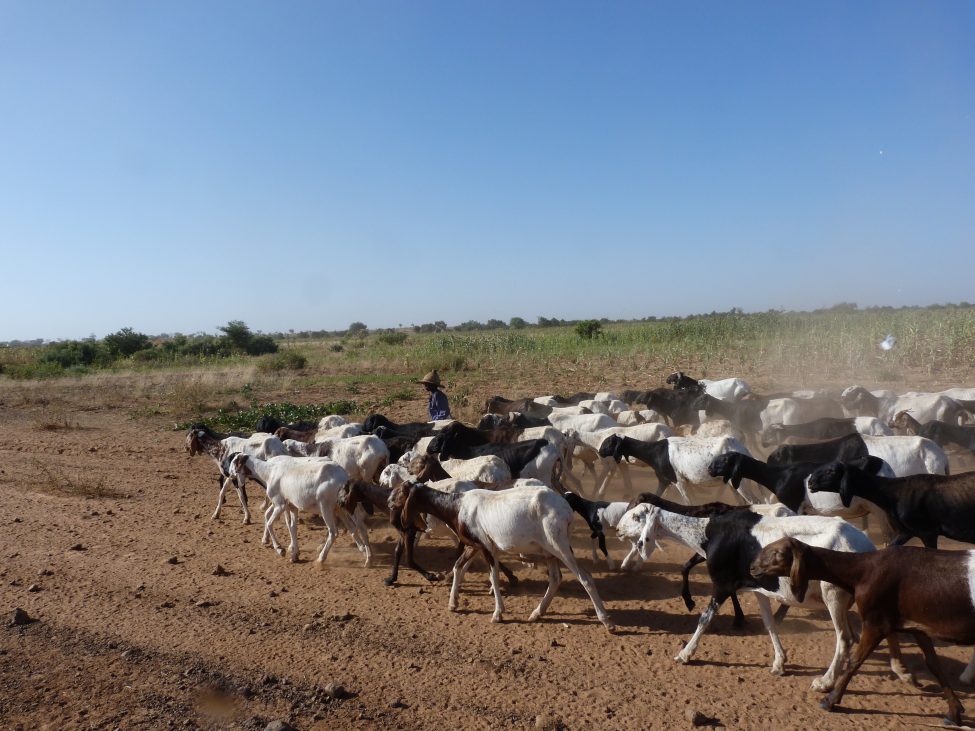
Climate hazards, animal disease outbreaks, geographical isolation and limited access to healthcare are among the factors that increase the vulnerability of pastoral communities in Niger’s Agadez region. To strengthen the resilience of local communities in the face of these challenges, Doctors of the World and Vétérinaires Sans Frontières Belgium are implementing the One Health approach. This strategy integrates human, animal and environmental health.
The desert region of Agadez is both a major migration hub and an important pastoral crossroads. Several transhumance routes across the Sahara converge here. Pastoral communities in the department of Aderbissinat live in extremely remote areas. Every day, they face considerable challenges in protecting their own health and that of their livestock.
“Some communities in this remote department are located more than 200 kilometres from Agadez. Roads are virtually non-existent and difficult to travel on, while means of transport are severely lacking. This limits access to the few functioning health facilities in the area,” explains Ismael Yelami, Project Coordinator for Doctors of the World in the Agadez region.
“The close proximity between people and animals, both in livestock-keeping households and during transhumance, combined with the arid climate and the scarcity of drinking water infrastructure, creates favourable conditions for the spread of animal disease outbreaks and epidemics.”
An interdependent relationship
© Tim Dirven
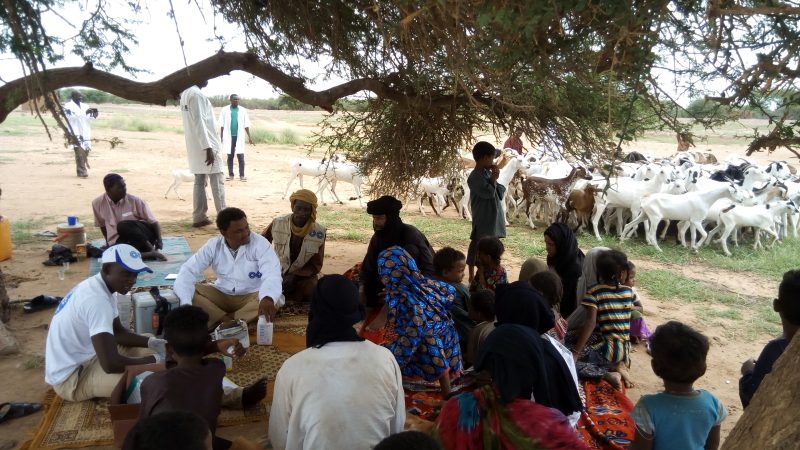
Since 2023, Doctors of the World and Vétérinaires Sans Frontières Belgium have combined their expertise to provide an integrated response to these challenges. Their approach takes into account the specific lifestyles of the pastoral communities of Aderbissinat.
“Environmental, animal and human health are closely interdependent, which is why a comprehensive approach is so important. People here are well aware of this, as their own survival is closely linked to that of their livestock,” emphasises Ismael Yelami.
In collaboration with the local authorities, the two partner organisations have supported the establishment of multidisciplinary village committees. “Depending on their background and expertise, each committee member is responsible for a specific aspect of the project. Some raise awareness within their communities about good hygiene practices and environmental protection. They also highlight the importance of vaccination for both families and their livestock. Others help strengthen the epidemiological surveillance system. They detect sick animals at an early stage and alert the relevant authorities so that further investigations can be carried out,” explains Djibo Mazou Boubacar, Programme Officer at Vétérinaires Sans Frontières Belgium.
Working together for greater impact
© Tim Dirven
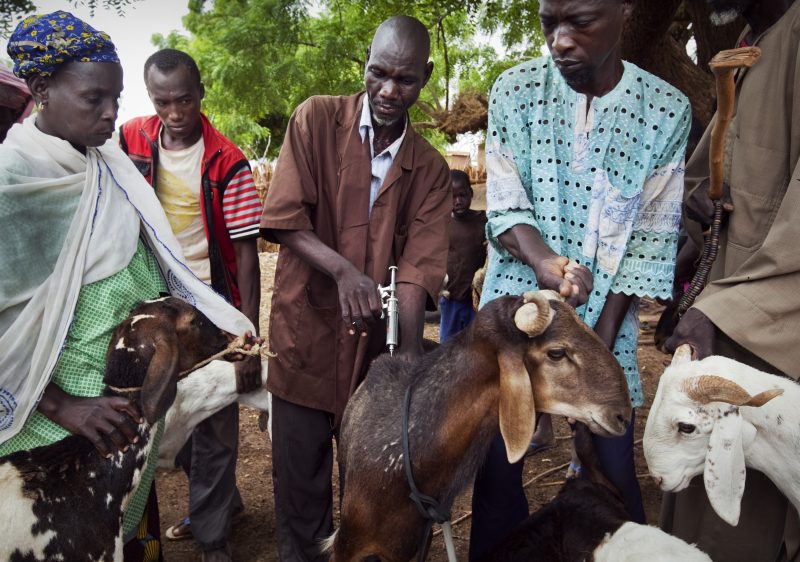
Between 2023 and 2025, more than 29,200 children aged 0 to 5 were vaccinated against measles with the support of Doctors of the World. The vaccinations were carried out in collaboration with local health authorities.
Over the same period, Vétérinaires Sans Frontières Belgium organised the vaccination of more than 42,300 animals of various species. They were vaccinated against pasteurellosis and anthrax. These infectious diseases primarily affect livestock but can occasionally also be transmitted to humans. More than 3,400 animals were also treated against parasites.
“My animals are now better protected against certain infections, such as pasteurellosis, a disease that causes diarrhoea. I have also learned much more about zoonotic diseases, which can be transmitted from animals to humans. Now, whenever I notice that one of my animals is sick, I isolate it from the rest of the herd and keep it away from our household to prevent transmission,” explains Zeinab, 34, who lives in Abalama.
Doctors of the World also works to strengthen the local health system and improve access to quality medical care. Its teams supply medicines to eight health centres and provide training to healthcare workers. Since 2023, two drinking water supply systems have also been rehabilitated, improving access to safe drinking water for local communities. Finally, incinerators have been built to improve the management of medical waste and reduce environmental pollution.