Our Areas of Expertise
For more than 40 years, Vétérinaires Sans Frontières Belgium has been supporting agro-pastoralist communities across Africa to keep their animals healthy, strengthen sustainable food systems and secure their livelihoods.
Through a One Health approach, we work at the intersection of animal health, human health and the environment to address the health, climate and humanitarian challenges affecting rural communities. Through local private veterinary services, agroecology and economic support for rural households, we provide practical solutions that strengthen the resilience of agro-pastoralists every day and help them build a better future.
-
Animal Health
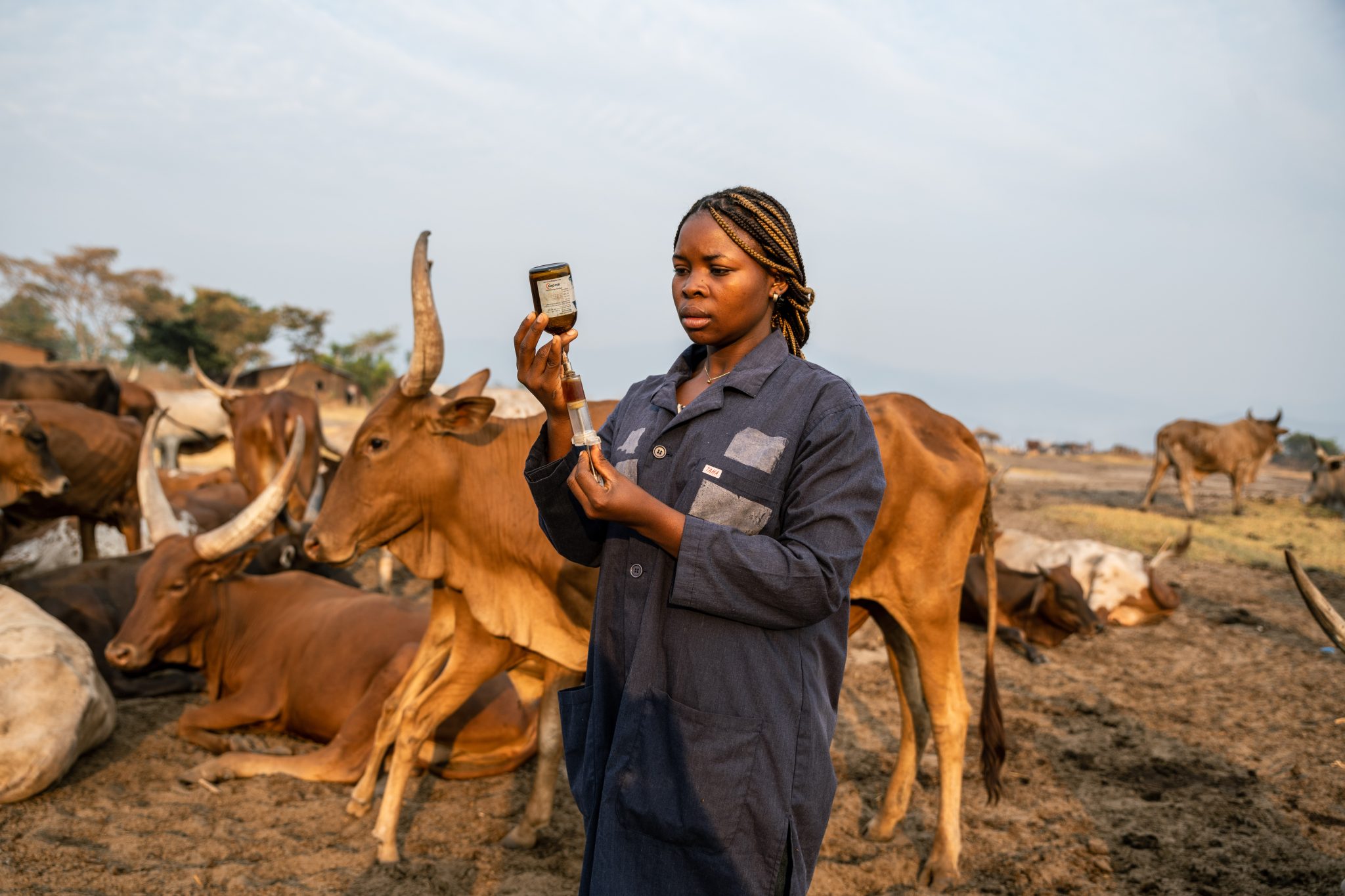
In the areas where we intervene, access to animal healthcare is still a daily challenge. A lack of vets, distance from services and scattered herds complicate access to care. Nevertheless, animal health is essential: it protects the livelihood of agro-pastoralists and prevents the emergence of diseases that can be transmitted between animals and humans.
For more than forty years, we have been developing local private veterinary services (LPVS) across the whole of sub-Saharan Africa. At the heart of this model are the community animal health workers (CAHW), who play a decisive role. They vaccinate and treat animals, advise livestock keepers, raise awareness of good practices and participate in disease monitoring. Their presence makes it possible to cater to the most remote herds, including those in areas struck by insecurity. Without them, many families would quite simply have no access to care.
Investing in this model means far more than providing care for animals: it’s a way to prevent health crises and contribute sustainably to food security for agro-pastoralists.
-
Fair and Sustainable Food Systems
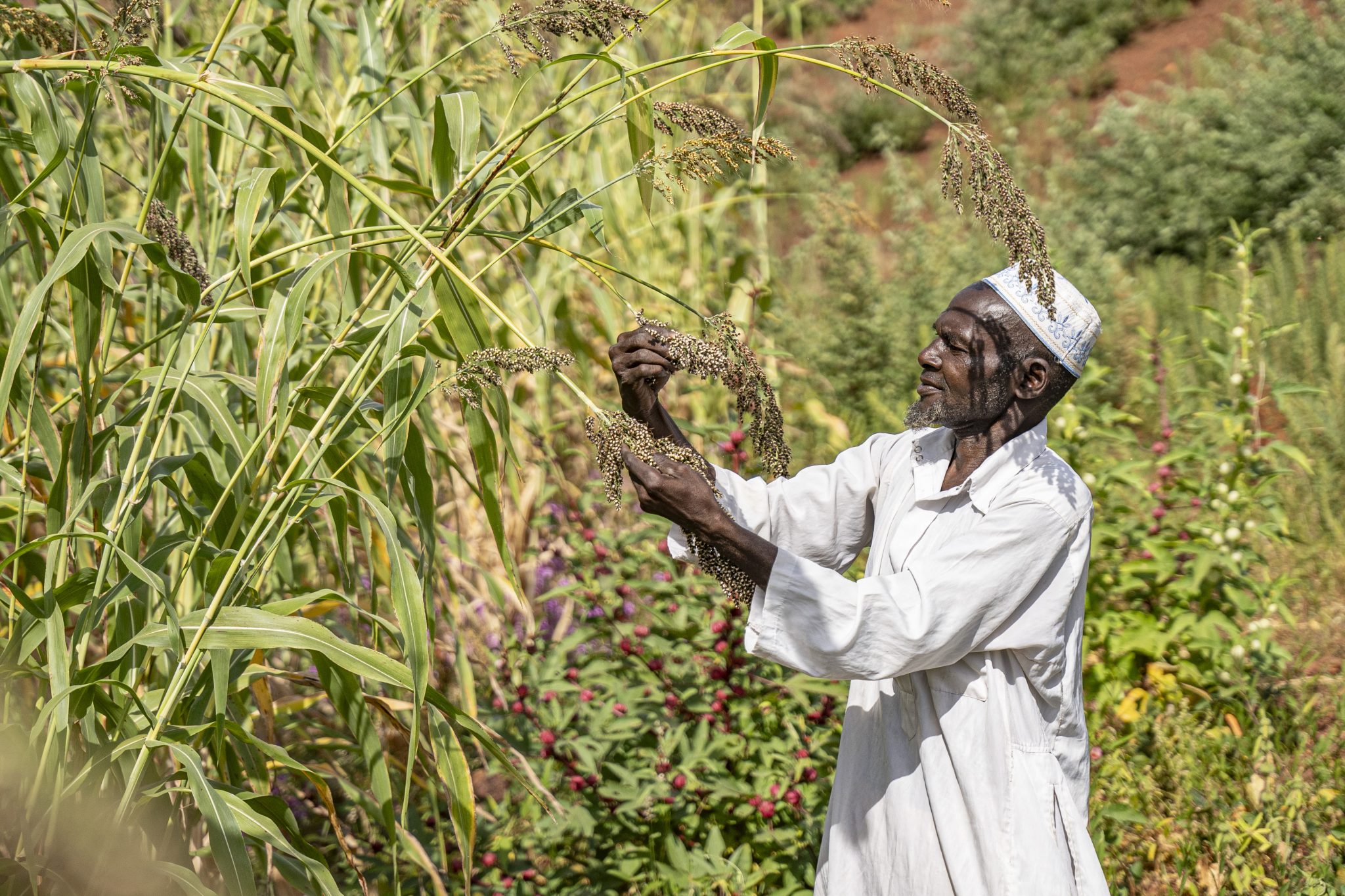
Prolonged droughts, recurrent flooding, deforestation, soil erosion and emerging diseases weaken local food systems profoundly. In the face of these upheavals, agro-pastoralists struggle to maintain their livelihoods.
However, we are still convinced that it is possible to reverse the trend by building sustainable, fair and resilient global food sys – tems. Encouraging agroecology, integrating agriculture and live – stock better, restoring soils and preserving natural resources will make it possible to protect biodiversity, take action for the climate and guarantee healthy, local and nutritious food. This way, we are helping to build food systems capable of feeding families sustainably, now and in the future.
-
Economic Autonomy for Communities
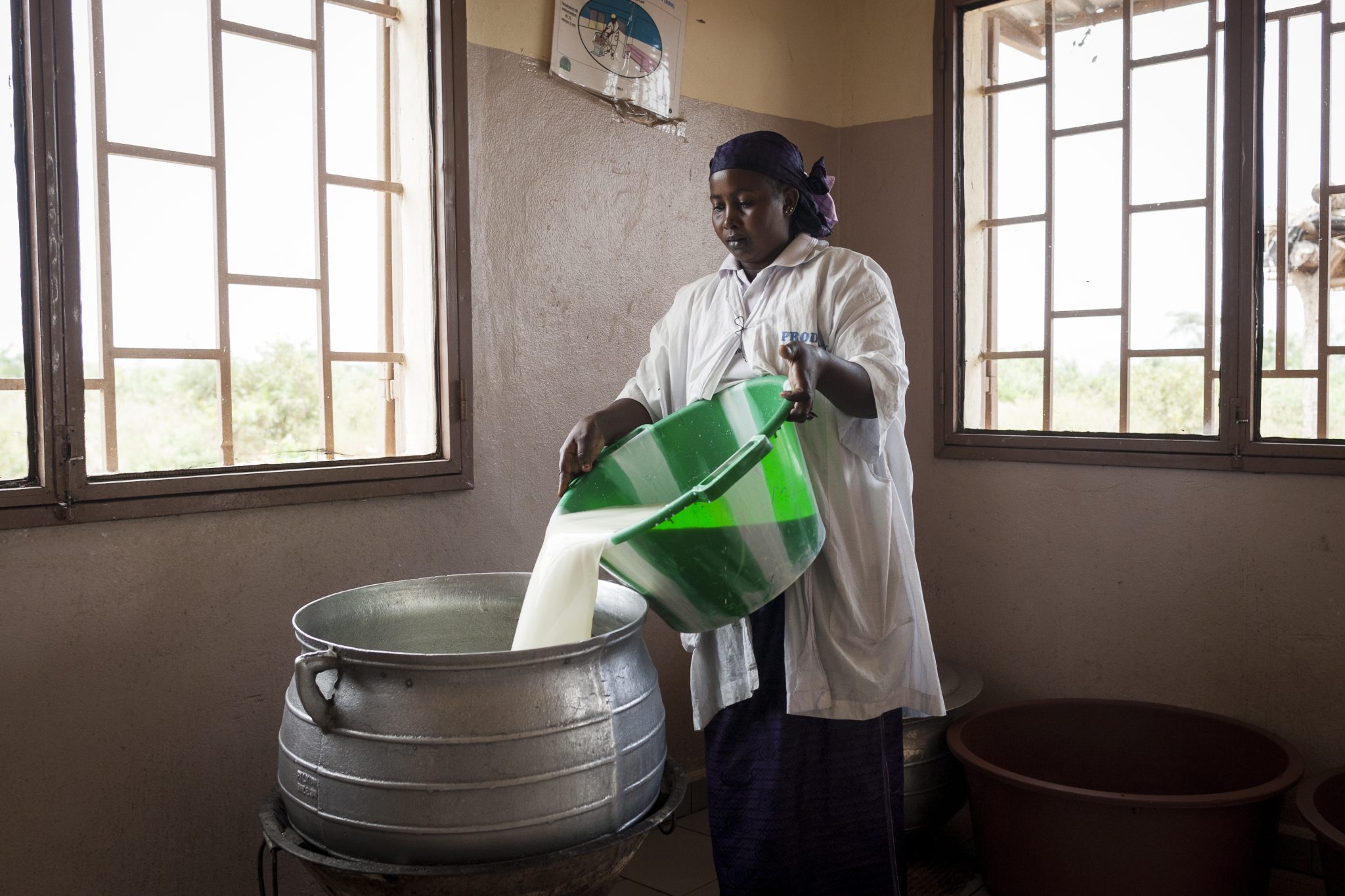
In rural areas, livestock keeping and agricultural activities represent far more than just a livelihood: they shape a way of life and provide an essential lever for families’ economic autonomy. The products of livestock keeping primarily augment the family’s diet, although they can also sell a proportion of their products to pay for health costs, education and other essentials. However, due to a lack of knowledge, resources and access to services, skills, markets or innovations, this potential remains largely untapped.
We offer technical, business and management training. We also facilitate access to loans and savings schemes and encourage a diversification of production methods to increase producers’ incomes and create sustainable jobs. Finally, establishing veterinary and para-veterinary services contributes to the sustainability and longer lifespan of economic activities. This way, year after year, rural families have tangible resources to construct a more stable, prosperous and genuinely autonomous future
-
Humanitarian Action
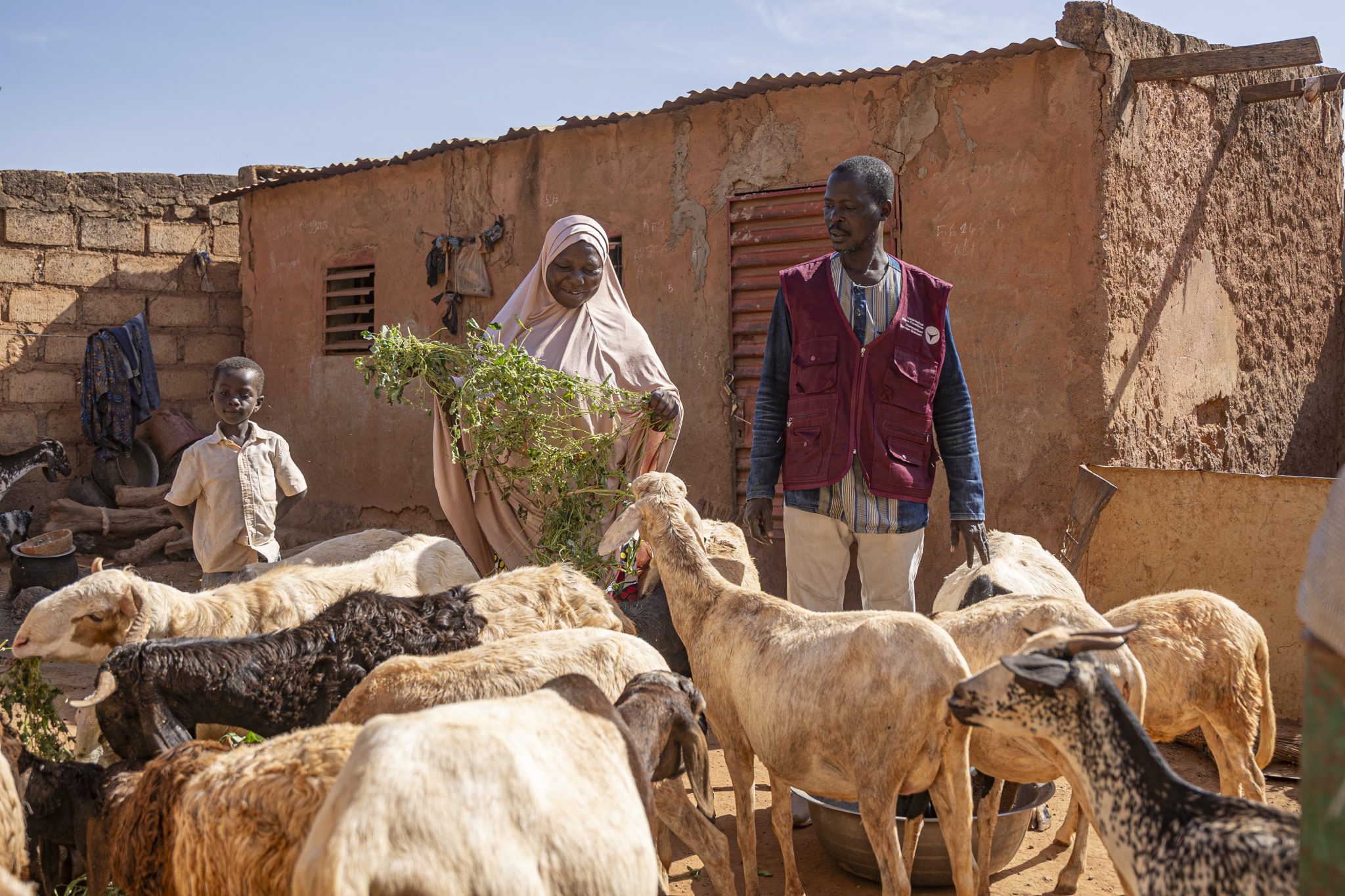
Humanitarian crises are multiplying, intensifying and lasting longer, provoked by humanitarian and natural disasters and by health crises. In these especially precarious contexts, we implement emergency humanitarian campaigns with the support of our partners, including the United Nations and the Belgian Development Cooperation.
We act to respond to the urgent needs of vulnerable families, to preserve their livelihoods and reduce the risks of violence and attacks on their dignity. We do this with immediate aid — particularly food aid —, the distribution of livestock to help restore livelihoods, and initiatives that promote peaceful coexistence.