Our One Health approach
At Vétérinaires Sans Frontières Belgium, we defend the conviction that the health of humans, animals and ecosystems is intrinsically linked. Any disruption to these links can increase the risk of new human and animal diseases emerging and spreading.
Healthy animals. Healthy people. A healthy planet.
This is the basis of the “One Health” approach. Since our organisation was founded in 1985, it has guided our work to address the health, climate and humanitarian challenges affecting agro-pastoralist communities across Africa.
In recent years, major crises such as mpox, Ebola and Covid-19 have shown how quickly a localised disease can turn into a global pandemic.
Today, around 60% of known human infectious diseases and up to 75% of emerging infectious diseases originate in animals. Every pandemic experienced to date has been caused by a zoonotic disease.
The growing emergence of zoonoses – infectious diseases that can be transmitted from animals to human beings – is closely linked to the pressure exerted on ecosystems. Deforestation, the intensification of agriculture and the conversion of natural savannahs into cultivated land are fragmenting wildlife habitats. Forced to retreat to smaller areas or habitats populated by humans, wild animals suffer greater stress, which encourages the spread of pathogens between species.
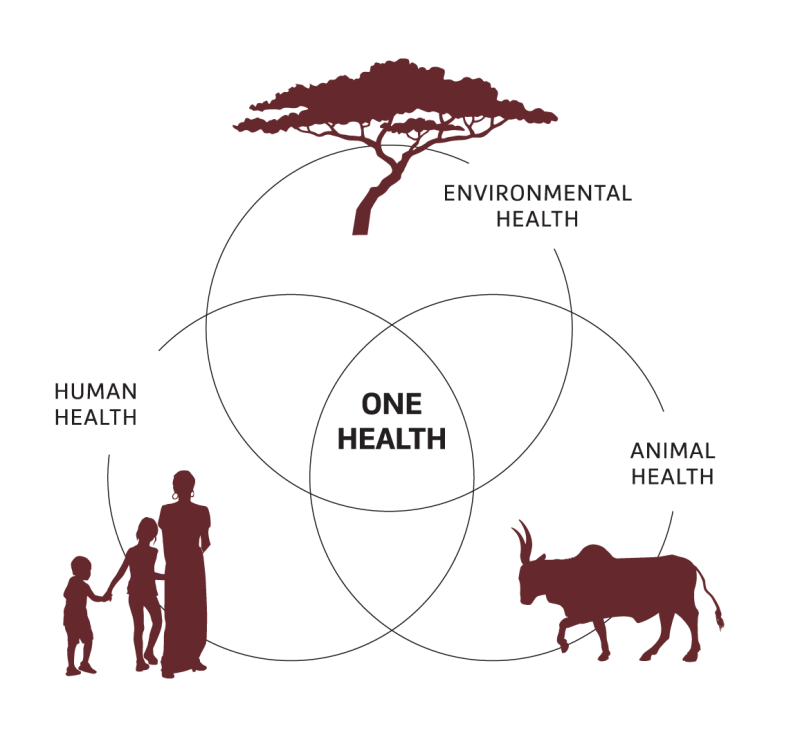
In a healthy ecosystem, however, biodiversity plays an essential role in regulating disease. The opposite is also true: the degradation of ecosystems weakens these natural balances and increases the risk of transmission to humans. By reducing natural spaces, we also bring wild animals closer to livestock and human populations, which multiplies opportunities for transmission. This phenomenon is particularly worrying in certain regions of Africa, where demographic growth and the expansion of human activity are exacerbating the pressure on natural environments. At the same time, intensive livestock production systems—where large numbers of genetically similar animals are kept in confined spaces—provide ideal conditions for viruses and bacteria to spread. By contrast, small-scale family livestock farming represents an important safeguard against the emergence and spread of zoonotic diseases.
At Vétérinaires Sans Frontières Belgium, we defend the conviction that the health of humans, animals and ecosystems is intrinsically linked. This is the basis of the “One Health” approach that guides all our activities since our organisation was founded in 1985.
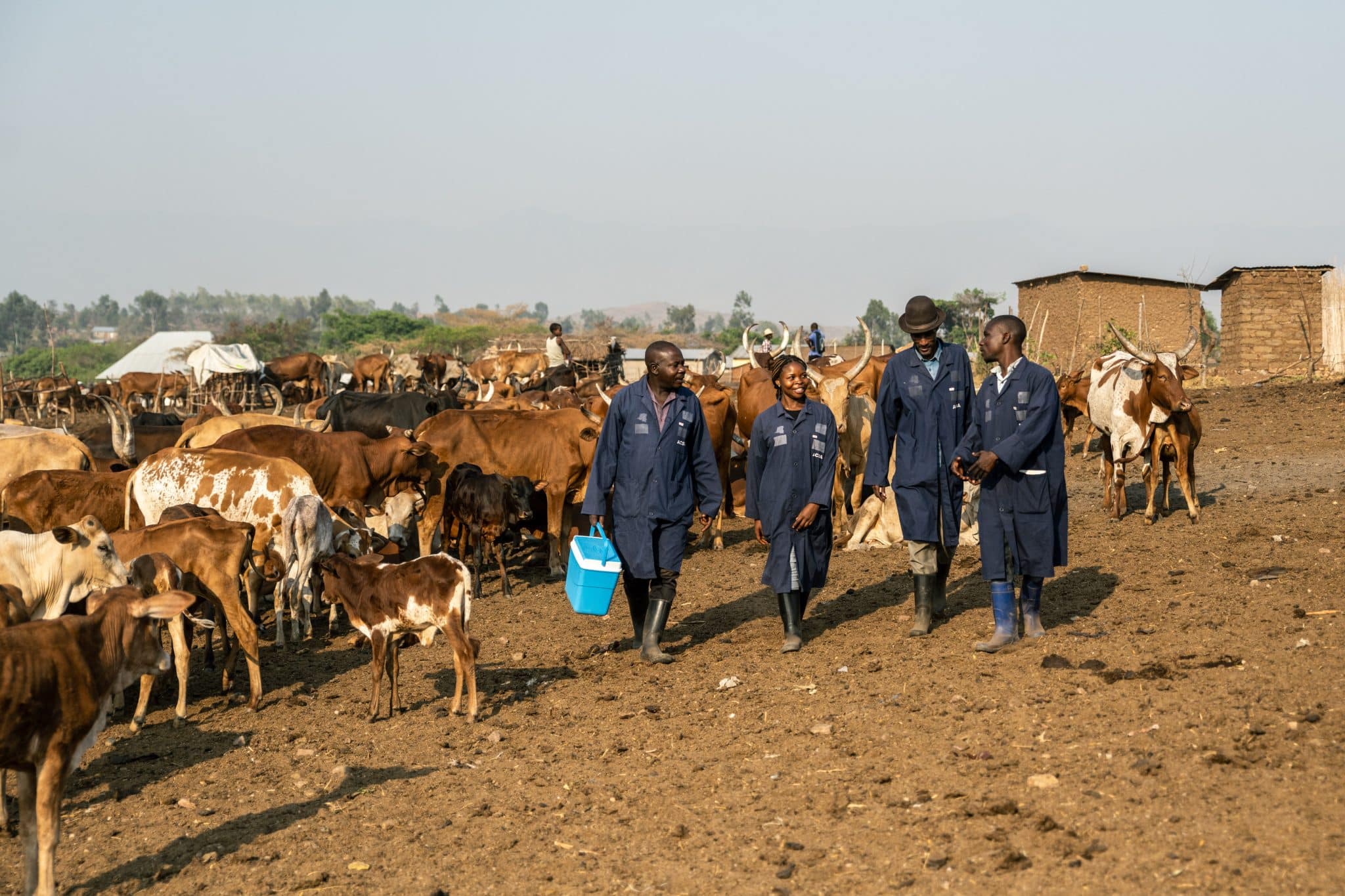
Our private vets and animal health workers work on the front lines of animal disease prevention. Nevertheless, the prevention of future pandemics requires close collaboration between several disciplines: medicine, agronomics, environmental science, epidemiology and also anthropology, zoology and entomology. Simultaneously, our projects offer sustainable economic alternatives that enable communities to develop without harming the environment.
It is by working together that we can protect world health sustainably.
Annual Report
To learn more about our work to prevent zoonotic diseases and our commitment to the One Health approach, consult our 2025 Annual Report