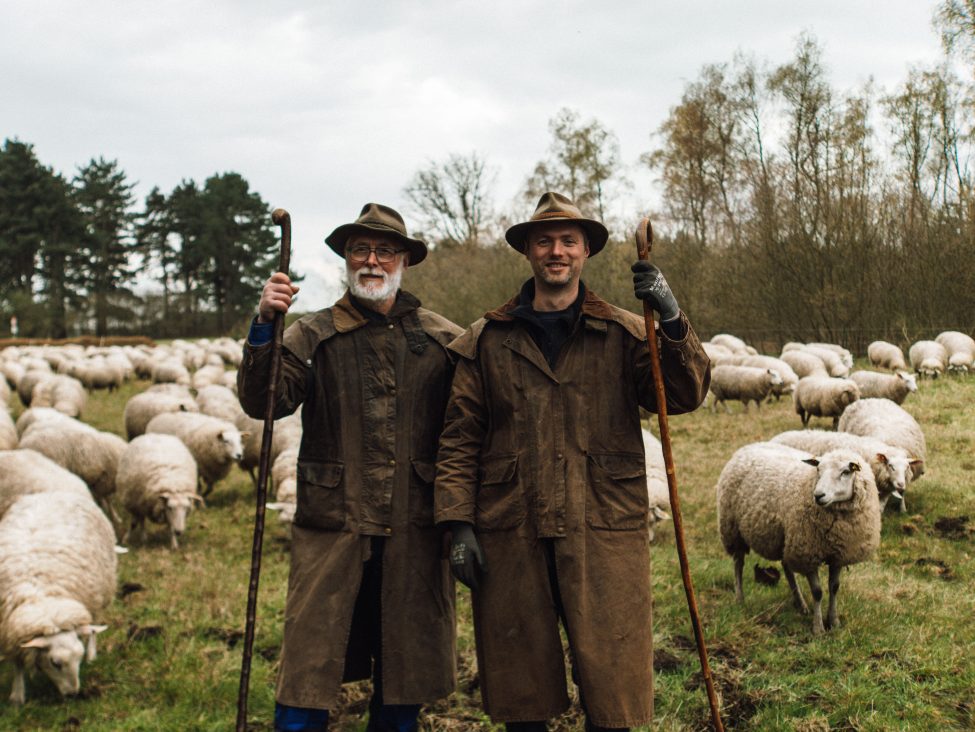
From 28 September to 13 October, Belgian herders will cross Belgium with a flock of 350 sheep, travelling from Achelse Kluis to Brussels. At the invitation of Vétérinaires Sans Frontières Belgium, Loupa Pius, a pastoralist from Karamoja (Uganda), will join the 170-kilometre march. Although their realities differ greatly, herders in Belgium and pastoralists in the Global South face many of the same challenges. Together, they are calling for greater recognition of their profession and of their role in protecting rangelands, biodiversity and ecosystems.
An initiative led by herders
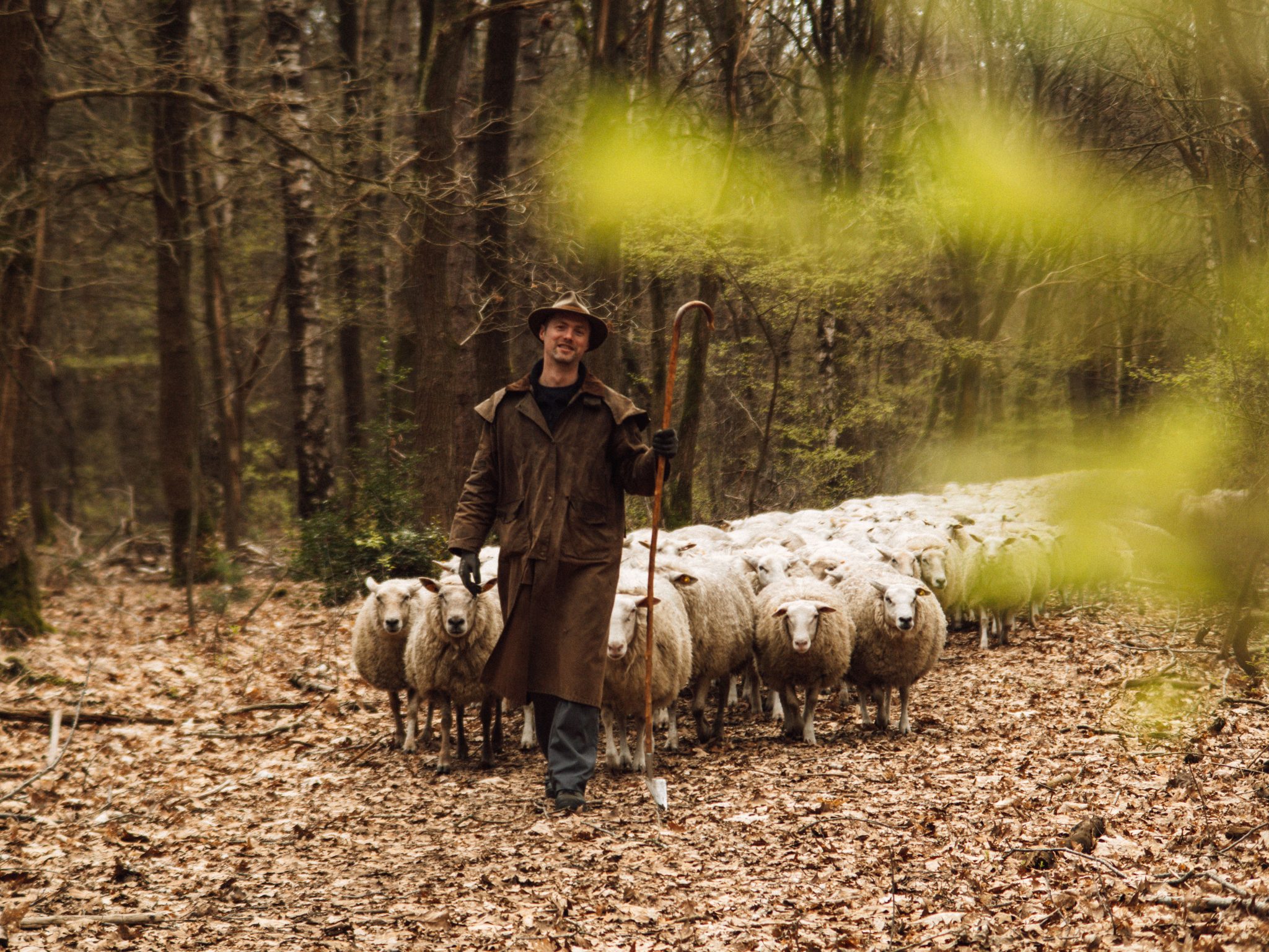
This year, herders around the world are organising marches and events as part of the International Year of Rangelands and Pastoralists (IYRP) 2026, proclaimed by the United Nations. In Belgium too, the initiative comes from the herders themselves, with Flemish herders Toon and Johan Schouteden taking the lead. Travelling across the country with their flock, they aim to show what herding means today. Everyone is welcome to join part of the march, ask questions and discover the profession. The route and full programme are available at www.herderstocht2026.be.
© Always Hungry
Vétérinaires Sans Frontières Belgium supports the march by helping amplify the voices of herders and their partners* and by building connections with pastoralist communities worldwide. With the participation of Loupa Pius, a pastoralist from Karamoja in Uganda, this international solidarity takes on a human face.
*The European Herders’ March in Belgium is an initiative of Agentschap Natuur en Bos, Animal Welfare Solutions, Boerenbond, Vétérinaires Sans Frontières Belgium, Steunpunt Levend Erfgoed, Vlaamse Schapenhouderij and vzw De Herder.
Loupa Pius, Ugandan pastoralist, joins the march
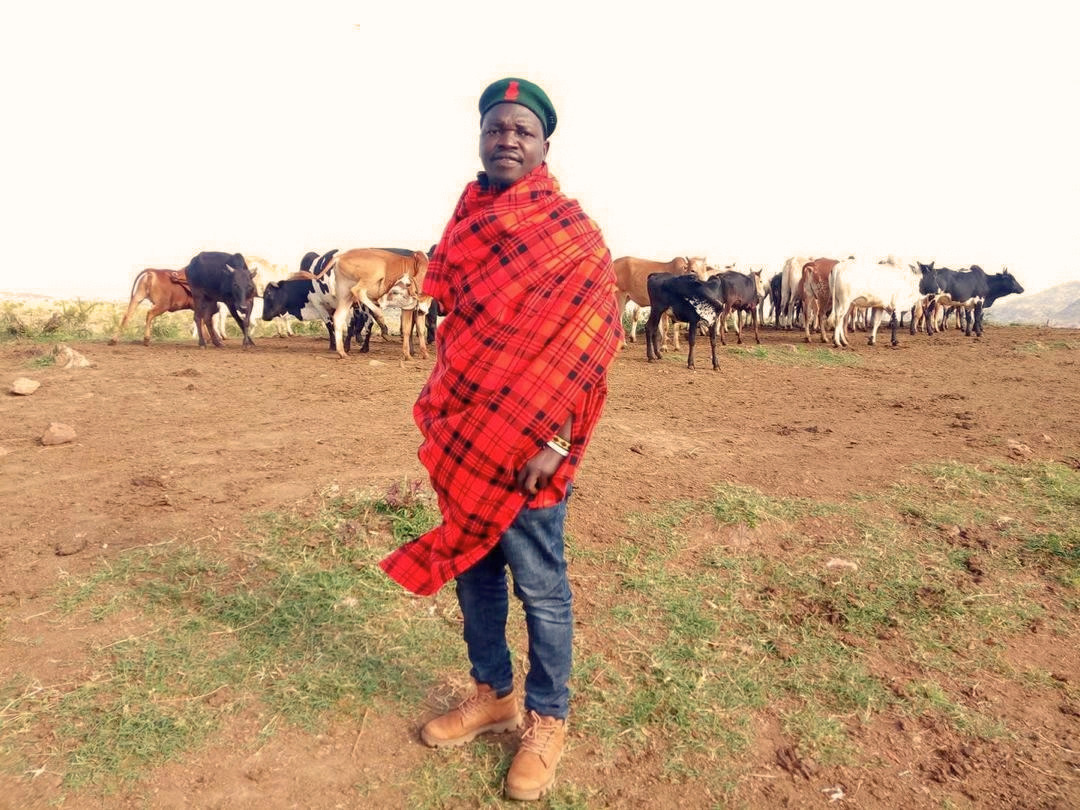 Loupa grew up as a pastoralist in Karamoja, a semi-arid region in north-eastern Uganda. As founder and director of the local NGO Rangeland Community Initiative, he works on biodiversity conservation, rangeland restoration and the preservation of traditional knowledge. He also serves as co-chair of the East African working group for the International Year of Rangelands and Pastoralists.
Drawing on his experience with rangeland restoration and land rights, Loupa advocates for the interests of pastoralist communities: “We are living in a rapidly changing climate, with droughts becoming longer and more frequent while access to water and grazing areas is often becoming more difficult. How are European herders dealing with these challenges, and how do they make sure policymakers listen to them? These are some of the questions bringing me to Belgium. I also hope to share what we have learned in Karamoja.”
A changing climate and shrinking space to move
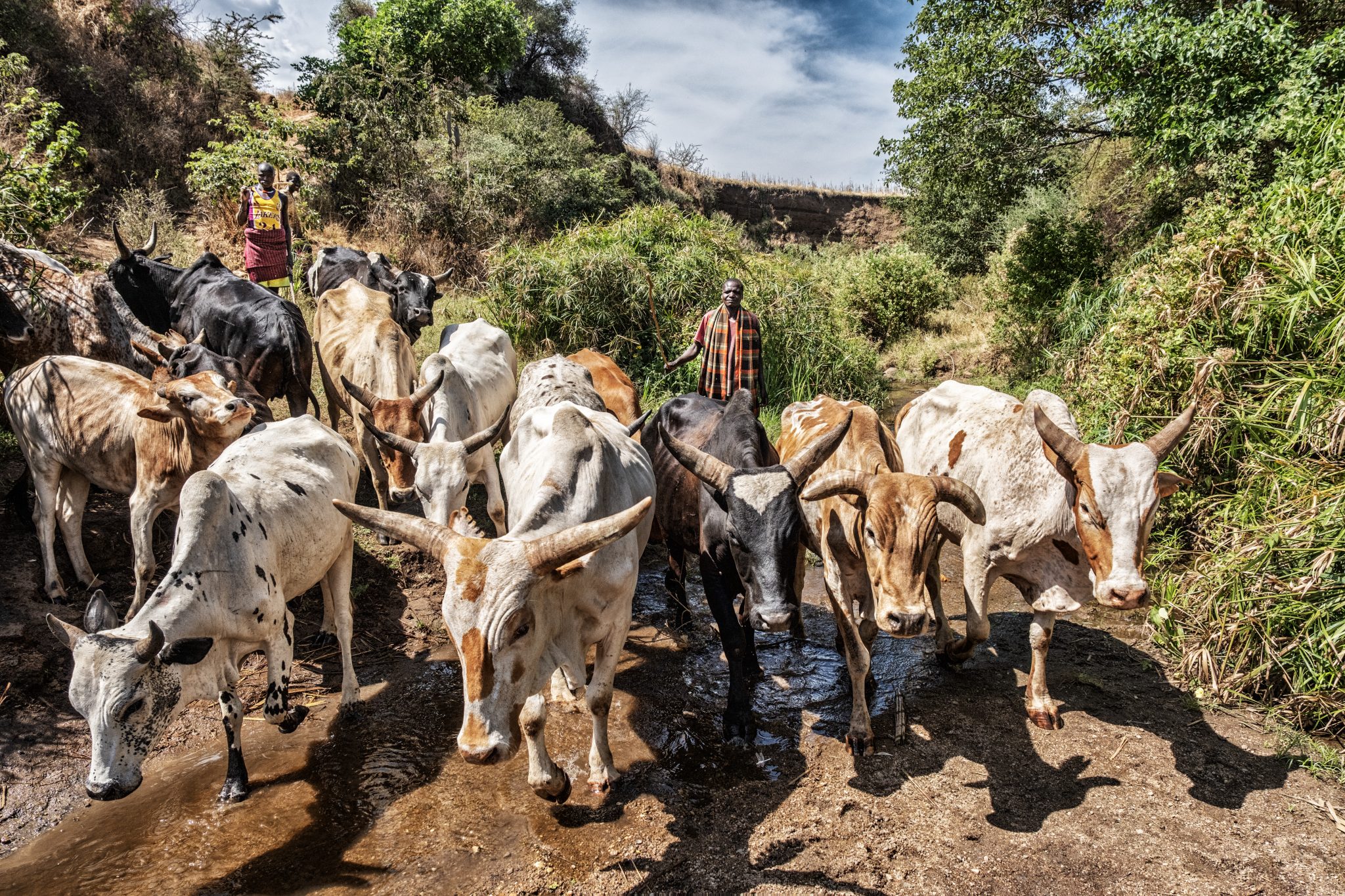
©Tim Dirven/VSF
Pastoralists in Karamoja have developed generations of knowledge to cope with highly variable conditions. As Europe’s climate and policy environment become less predictable, these experiences are becoming increasingly relevant.
“We move our herds according to the availability of water and pasture. This allows our animals to access the best possible feed while giving grazed areas time to recover. But that knowledge can only be applied if we have the space to move,” explains Loupa.
This is often where challenges arise. In East Africa, the privatisation of communal land and exclusion from protected areas can restrict access to water and rangelands. Belgian herders face similar challenges: fragmented landscapes, limited grazing periods and short-term contracts are making their work increasingly difficult.
“In the past, we could graze our flocks in nature reserves throughout the year. In the areas where we work, this is now limited to the period from early June to mid-October. This has consequences for both the feeding of our sheep and nature management. For example, young birch and bird cherry growth can be controlled through grazing in spring, but our sheep now arrive too late for that,” explains Flemish herder Johan Schouteden.
“In addition, we are only given contracts lasting three to four years, and fences are erected around grazing areas without any consultation. We know how to manage landscapes sustainably with our flocks, yet we are not involved in the decisions concerning them.”
The circumstances may differ, but Johan and Loupa are calling for the same thing: give herders access to the areas they help manage and involve them in the decisions affecting those landscapes.
“You cannot talk about pastoralists without talking about land rights. Water and pasture are not available in the same places throughout the year. We therefore need access to different grazing areas and to the routes that connect them. Decisions about these areas directly shape our future, and we want to have a say in those decisions,” Loupa emphasises.
Protecting rangelands means working with pastoralists
©Tim Buhck
The European Herders’ March highlights why freedom of movement is also essential for nature conservation. As we explained in our opinion article ahead of COP17, the impact of livestock on rangelands depends on how grazing is managed: where animals graze, how long they stay, and how much time vegetation is given to recover.
Well-managed grazing helps keep landscapes open, supports biodiversity and reduces the build-up of combustible vegetation. Overgrazing can damage ecosystems, but the disappearance of grazing animals can also disrupt natural balances.
Maintaining this balance requires expertise. Pastoralists understand their animals, read the landscape and adapt their decisions to changing conditions. Their knowledge is essential for landscape management, food production and climate adaptation. Yet this expertise is still too rarely recognised and risks being lost if younger generations no longer see a future in the profession.
Join the march and meet the herders
Everyone is welcome to walk one or more stages of the route. Meet Toon, Johan and Loupa along the way and discover how their daily work connects agriculture and nature. The route and programme are available at www.herderstocht2026.be, where you can also support the crowdfunding campaign helping make the march possible.
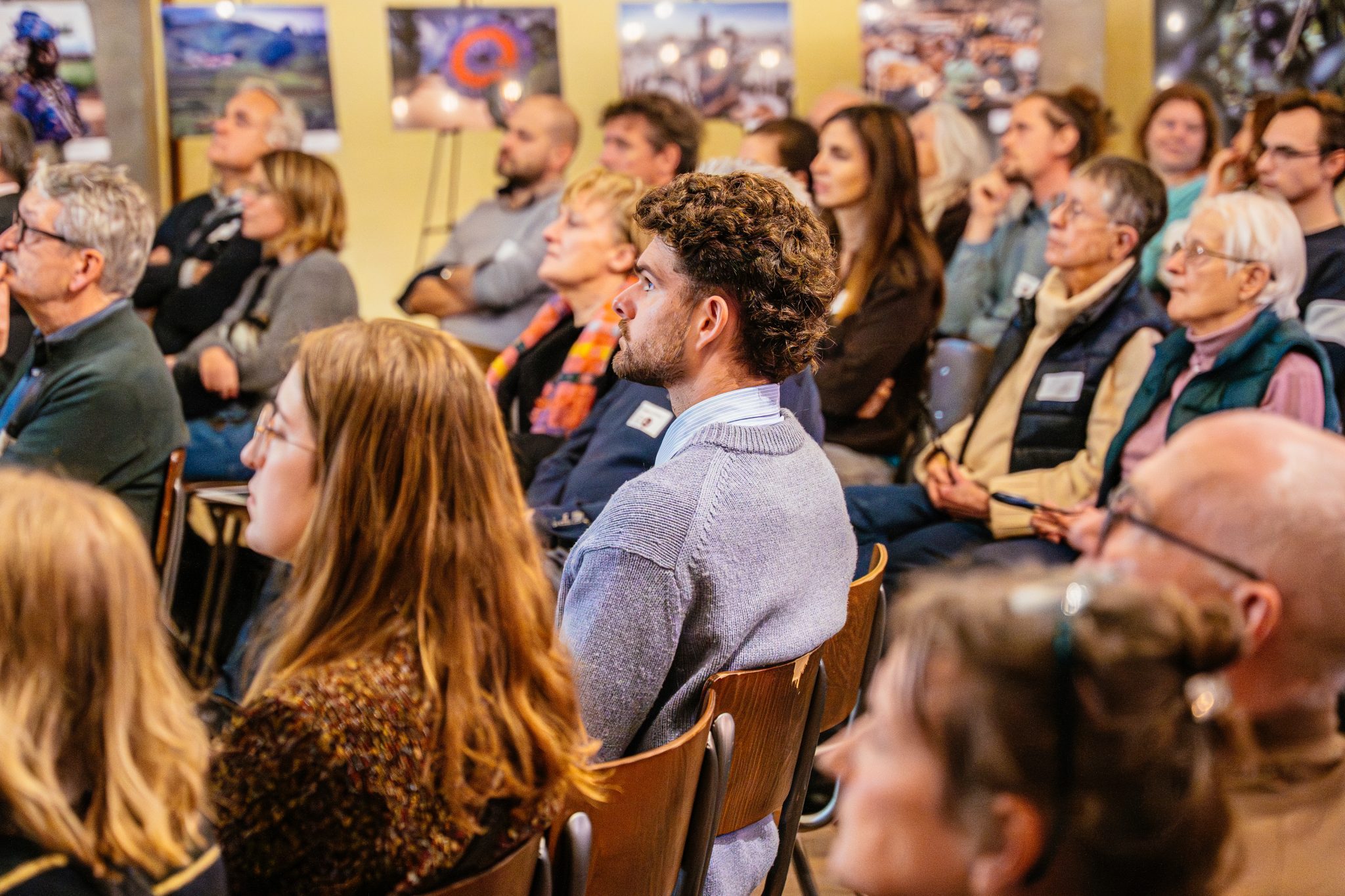 To mark the arrival of the Belgian section of the European Herders’ March, Vétérinaires Sans Frontières Belgium will host its annual symposium on 13 October at Chalet Robinson, in Bois de la Cambre, Brussels. Together with herders Loupa Pius, Johan Schouteden and Yuna Himschoot, we will look back on the march and, with moderator Patrick Worms, discuss the future of pastoralists and rangelands with a panel of experts. The evening will continue with Eric Boschman’s humorous one-man show, offering a critical and entertaining look at our relationship with food, followed by a tasting of herders’ products.
The evening will conclude with food, drinks and an opportunity to continue the conversation. Reserve your place now: https://dierenartsenzondergrenzen.koalect.com/en-GB/symposium-2026
An invitation to learn, share experiences and help give pastoralists the recognition they deserve.
Vétérinaires Sans Frontières Belgium works alongside pastoralist communities in Africa on animal health, rangeland management and access to water. Through our One Health approach, we connect the health of people, animals and the environment. Building on this experience, we support the European Herders’ March, help bring the stories of pastoralists to a wider audience, and create opportunities for exchange between Belgian and international experiences.