
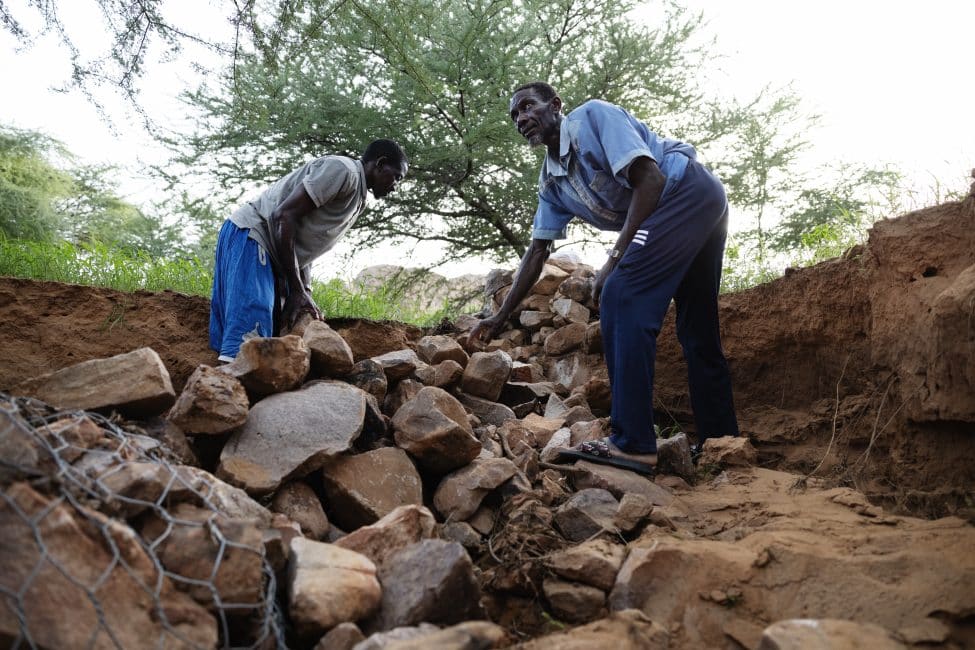
On the occasion of the World Day to Combat Desertification and Drought, we want to highlight a reality that is too often overlooked: in the arid areas of Mauritania, as in the wider Sahel, water is scarce and rainfall is unpredictable. Between early 2021 and summer 2022, the country was hit by a severe drought, the worst in a decade. Crop and production yields dropped by up to 80%.
These climatic constraints, combined with increasing demographic pressure on natural resources, contribute to soil degradation and threaten the rangelands on which pastoral communities depend.
Capturing water to restore land and strengthen food security
©Karai
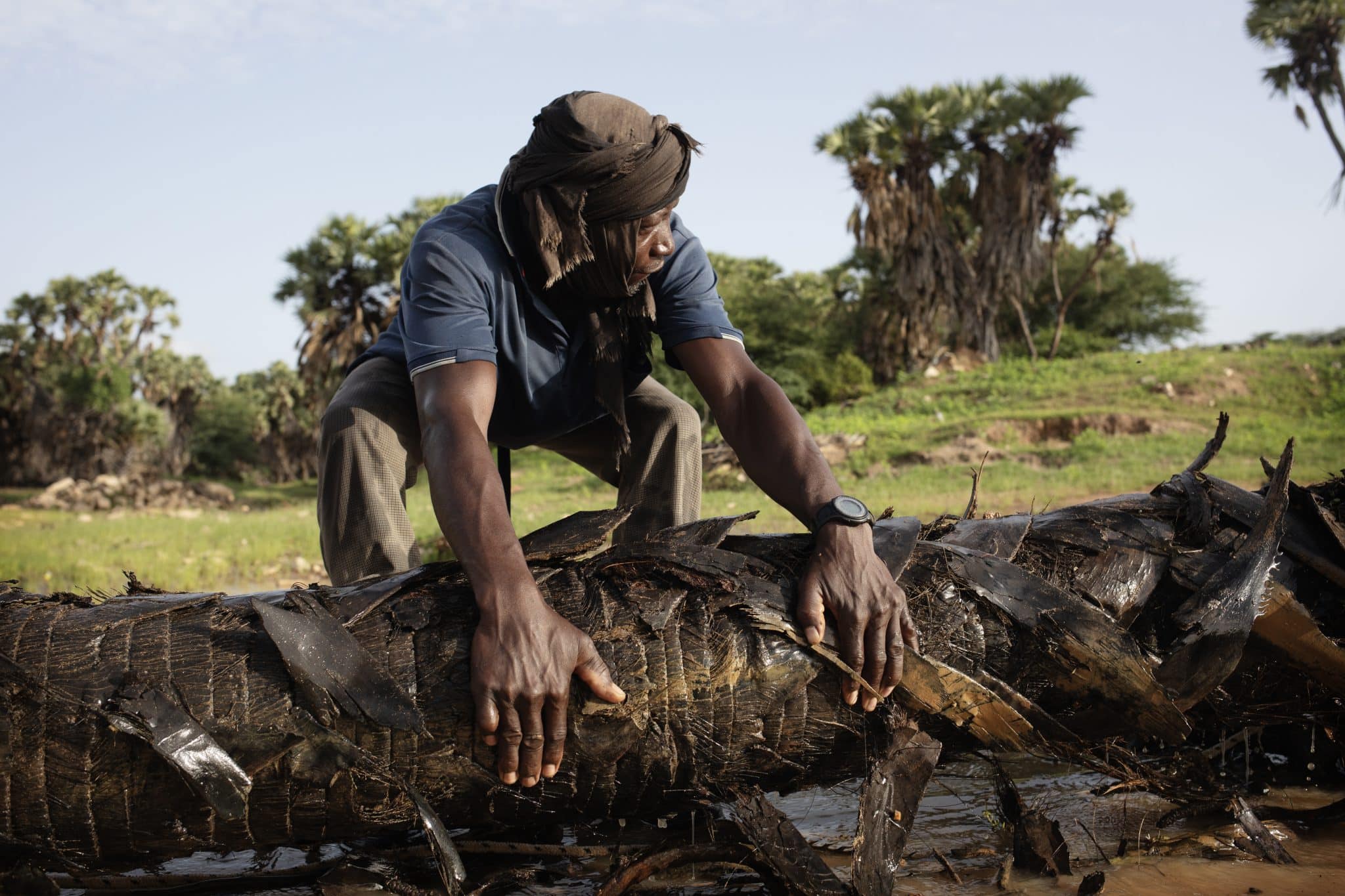
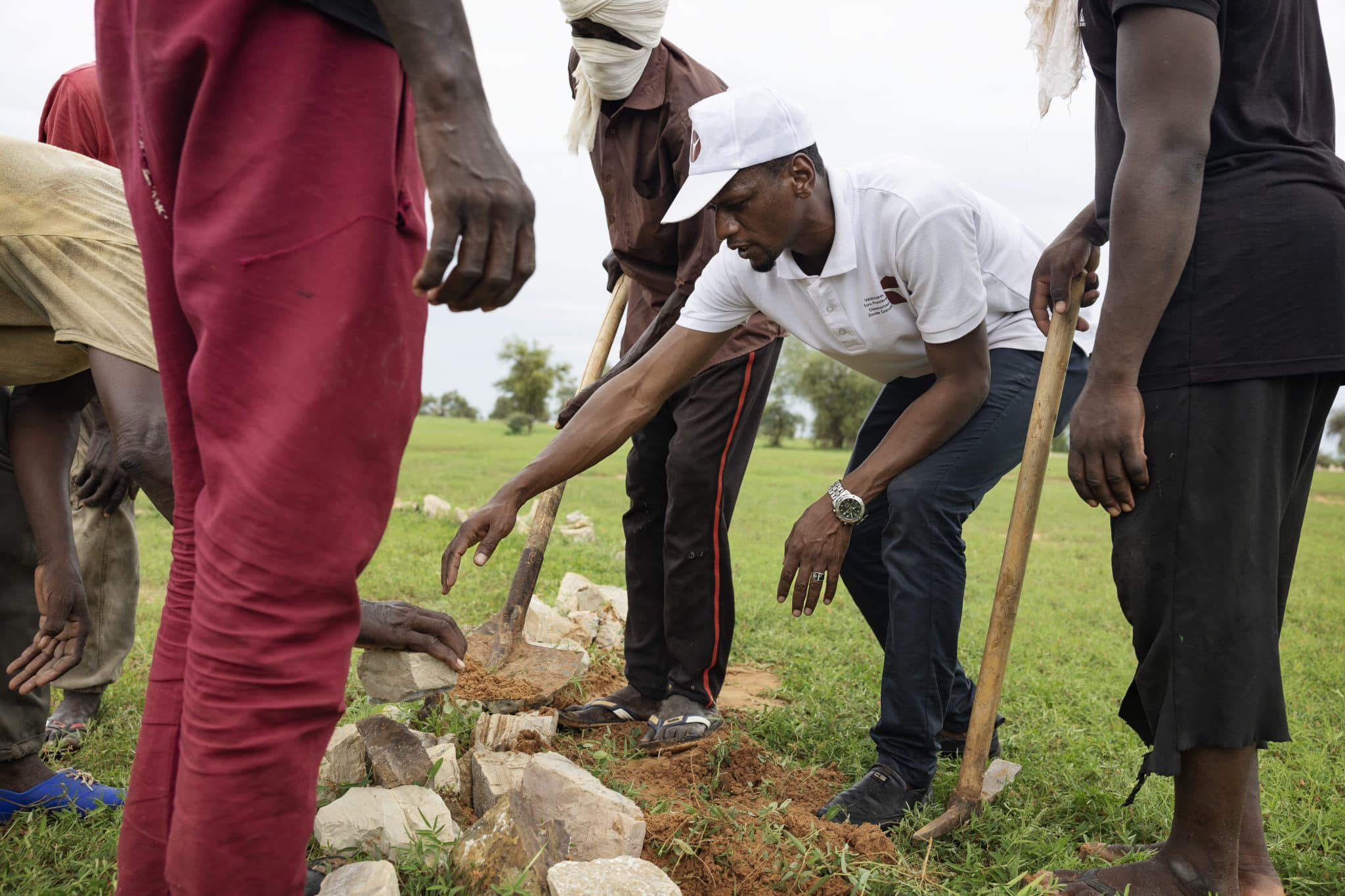
In this context, slowing runoff and capturing and retaining water becomes essential to protect rangelands and preserve natural resources. This is precisely the purpose of dams, gabions and contour-aligned stone lines, that control erosion and allow water to infiltrate the soil.
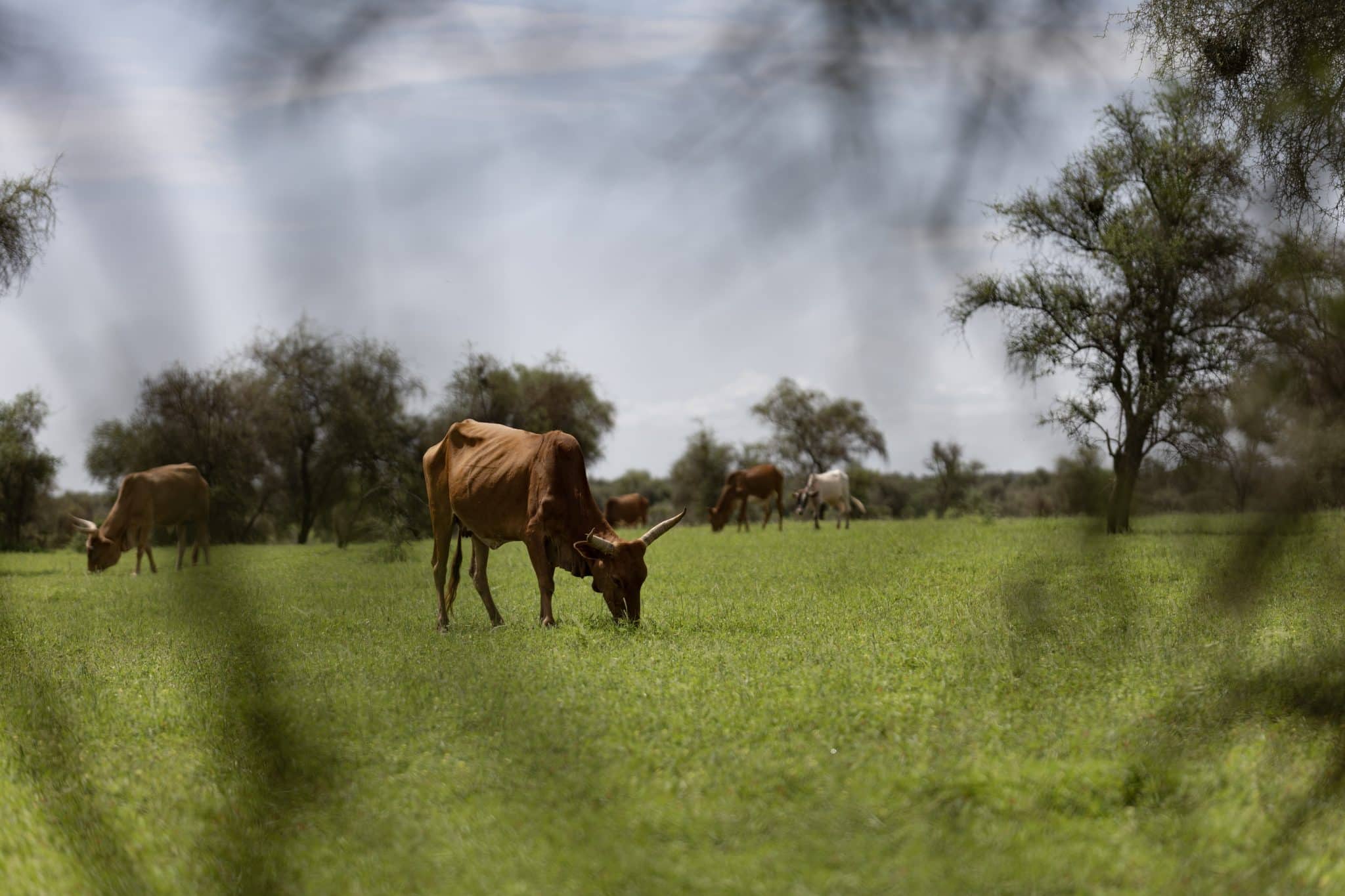
Where the land once cracked, grass is now growing again. Where nothing used to grow, crops are reappearing. Rangelands are regenerating, providing feed for livestock, soils are regaining fertility, and households are strengthening their food security. These changes show that degraded land can become productive and resilient again through simple, adapted and well-managed solutions.
Local governance as a key to sustainability
©Karai
These infrastructures exist in some villages but are often underutilised. Communities are too rarely involved in their design or management. As a result, water escapes, soils erode and benefits diminish.
Infrastructure can only be sustainable when it is truly owned by communities, who understand its purpose, take ownership of its role and ensure its maintenance. This is at the core of Vétérinaires Sans Frontières Belgium’s approach: embedding pastoral infrastructure within strong local governance systems.
©Karai
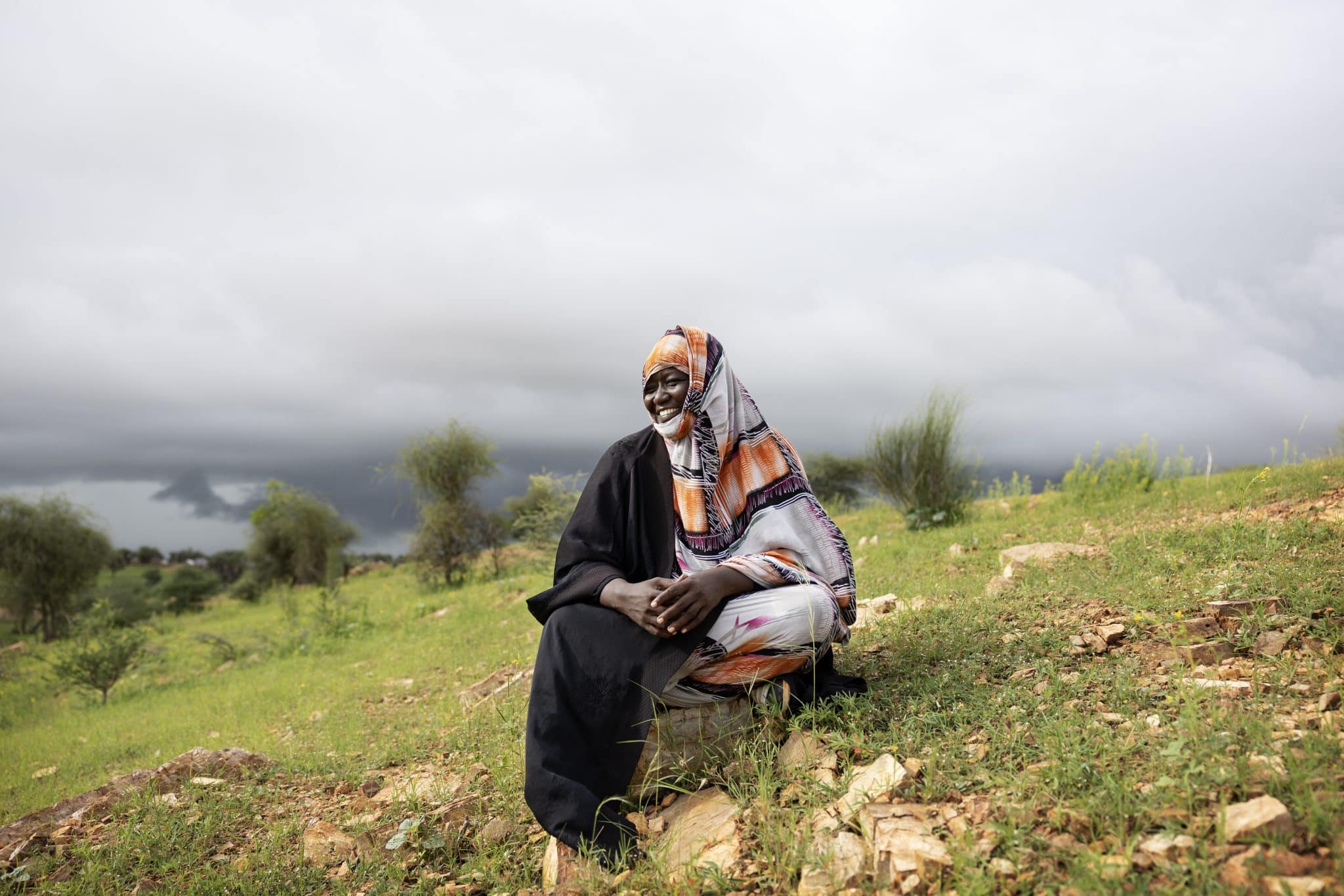
Village management committees are involved from the very start of implementation. They organise maintenance, manage a community fund and ensure the equitable distribution of newly restored fertile land. To ensure full autonomy, each committee receives technical and administrative training. This support is what makes the infrastructures lasting and effective.
As Seltana Mint Salck, committee treasurer, states: “Rain is a blessing from Allah. But the most important thing when you have water is to manage it properly.”
Climate resilience in Mauritania: results in action
©Karai
Across all intervention areas, strong community governance has led to lasting results. 26 management committees have been established and supported, 5,845 households have gained access to restored land, and 4,390 erosion control structures have been built across 106 sites.
The work of pastoral communities in restoring land is featured in the video “Climate resilience in Mauritania”, produced with Karai, Thomas Cytrynowicz and Émilie Tricot, available on YouTube.
Implemented with Enabel and our local partners GNAP and ODZASAM, funded by the European Union.